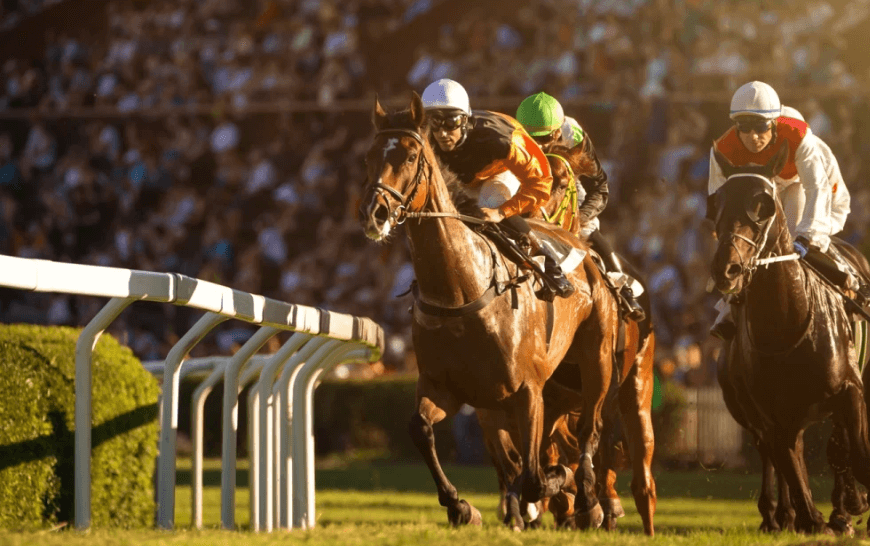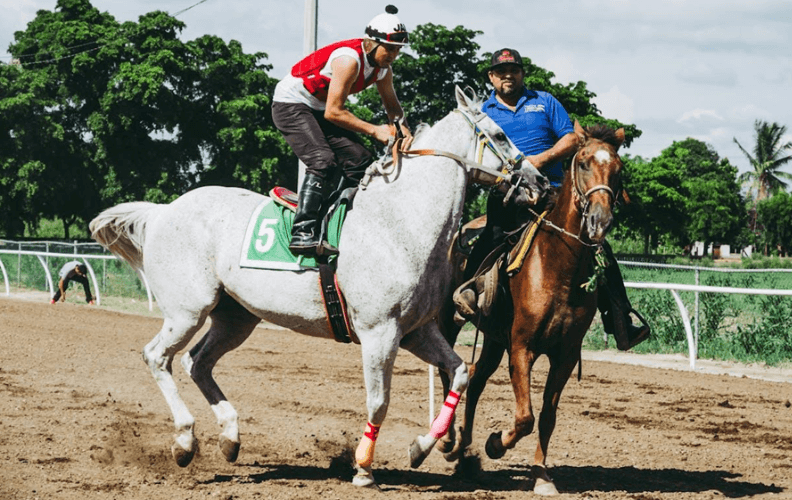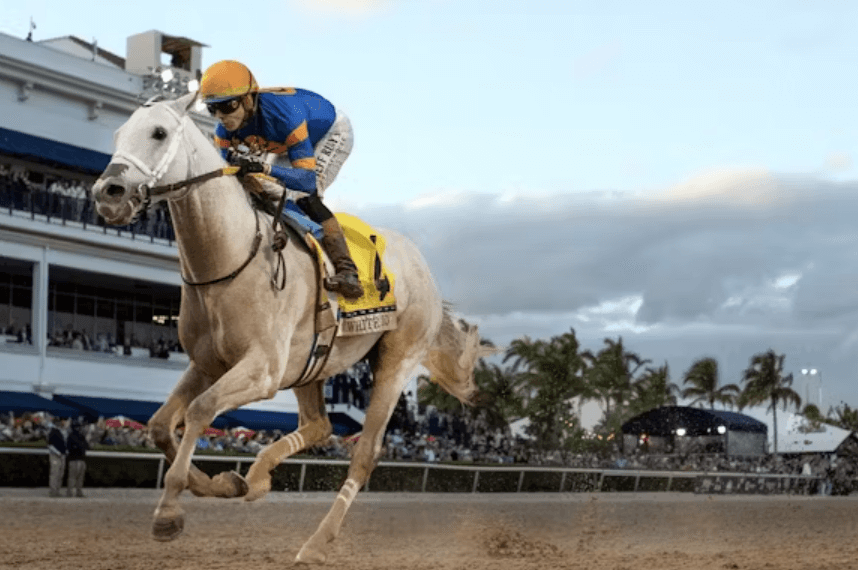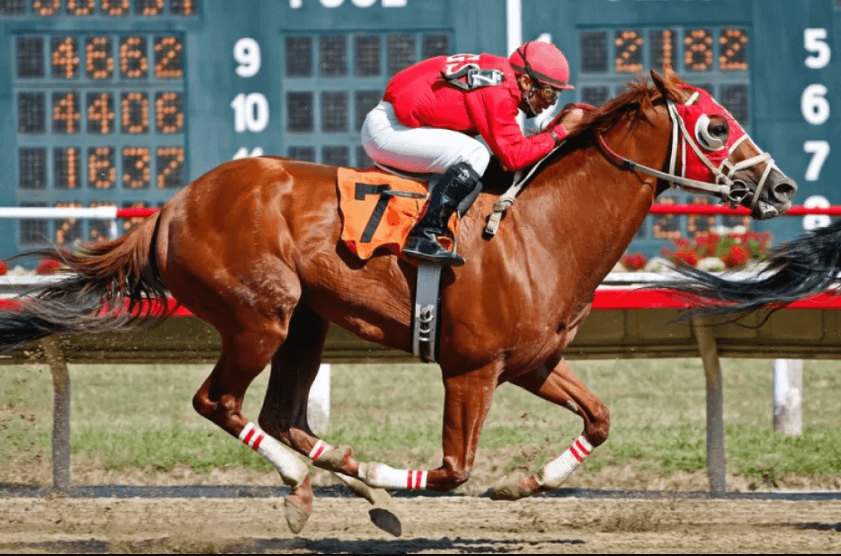
Horse racing stands as a unique arena where sportsmanship is both tested and celebrated. It involves various stakeholders—jockeys, owners, trainers, and fans—each contributing to an ethical framework that emphasizes respect and integrity. This collaborative spirit fosters a sense of community, enhancing the overall experience of the sport. However, the question remains: how do these elements of sportsmanship manifest in the day-to-day interactions among participants and fans alike?
The History of Sportsmanship in Horse Racing
The evolution of sportsmanship in horse racing reflects a rich tapestry of tradition and integrity that has developed over centuries.
From early informal competitions to structured events, the ethics evolution has shaped racing regulations that promote fairness.
As the sport matured, guidelines emerged to ensure the welfare of horses and the integrity of races, fostering an environment where respect and honor prevail.
The Role of Jockeys in Fostering Fair Play
While competing at high speeds on the racetrack, jockeys play an essential role in promoting fair play and upholding the integrity of horse racing.
Their behavior is crucial in maintaining racing ethics, as they must navigate competition while respecting their fellow competitors and the sport itself.
The Impact of Owners and Trainers on Sportsmanship
Owners and trainers significantly influence the culture of sportsmanship within horse racing.
Owner influence shapes the competitive atmosphere, promoting integrity and respect among participants.
Meanwhile, trainer ethics establish standards of behavior, encouraging fair play and accountability.
Together, these elements foster an environment where sportsmanship thrives, ensuring that the values of respect and camaraderie remain central to the sport’s enduring appeal.
Fan Engagement and the Spirit of Camaraderie
Engaging fans in horse racing fosters a unique spirit of camaraderie that enhances the overall experience of the sport.
This connection is often built through community events, where enthusiasts gather to celebrate their shared passion. Such gatherings not only promote fan loyalty but also create lasting friendships.
Ultimately, this dynamic enriches the horse racing environment, encouraging a sense of belonging among fans.
Conclusion
In conclusion, horse racing embodies the adage “a rising tide lifts all boats,” as it promotes sportsmanship through the collective efforts of jockeys, owners, trainers, and fans. This sport not only upholds values of respect and integrity but also fosters a strong sense of community. By adhering to ethical standards and prioritizing the welfare of horses, horse racing creates an environment where lasting bonds are formed, ultimately enriching the culture of the sport and enhancing the experience for all involved.